


What different types of koi carp are there?
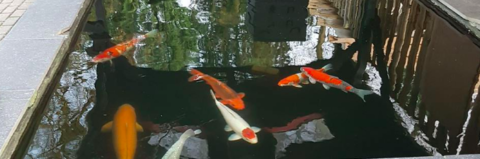
The koi carp is increasing tremendously in popularity, and of course we are very happy about that. Therefore, we decided to write a blog about the different types of koi carp. We start with a little history about the koi.
The koi(Cyprinus carpio carpio), also called Nishikigoi or brocade carp, is the national fish of Japan. ‘Nishiki’ is the Japanese word for ‘colorful dress’, while ‘Goior Koi’ means ‘carp’(source Wikipedia Koi). Koi breeding dates back to the 19th century, although some people claim it was done as early as the4th century. Rice farmers discovered that some carp were more beautifully colored than others. The “oddly” colored koi were caught and continued to be bred separately. A standard was set for colored koi in the 20th century and it became something of a status symbol. The rest of the world was first introduced to koi in 1914. A number of koi were then presented at an exhibition in Tokyo. At the beginning of the century it was very difficult to transport these delicate (new) fish to Europe, but when this became faster and safer, the spread of Japanese Koi was a fact.
Only Koi bred in Japan are given the term Japanese koi. koi bred in Europe are also called Eurokoi. How to care for and feed a koi can be found on our special page about Koi Carp. There are very many types of koi and below we describe the main types of (Japanese) koi.
Different types of koi
Kohaku koi

The Kohaku koi is one of the most popular species. The fish by itself has a white body with red spots added. If you want a really good breeding, the fins of this Koi should be white.
Sanke koi
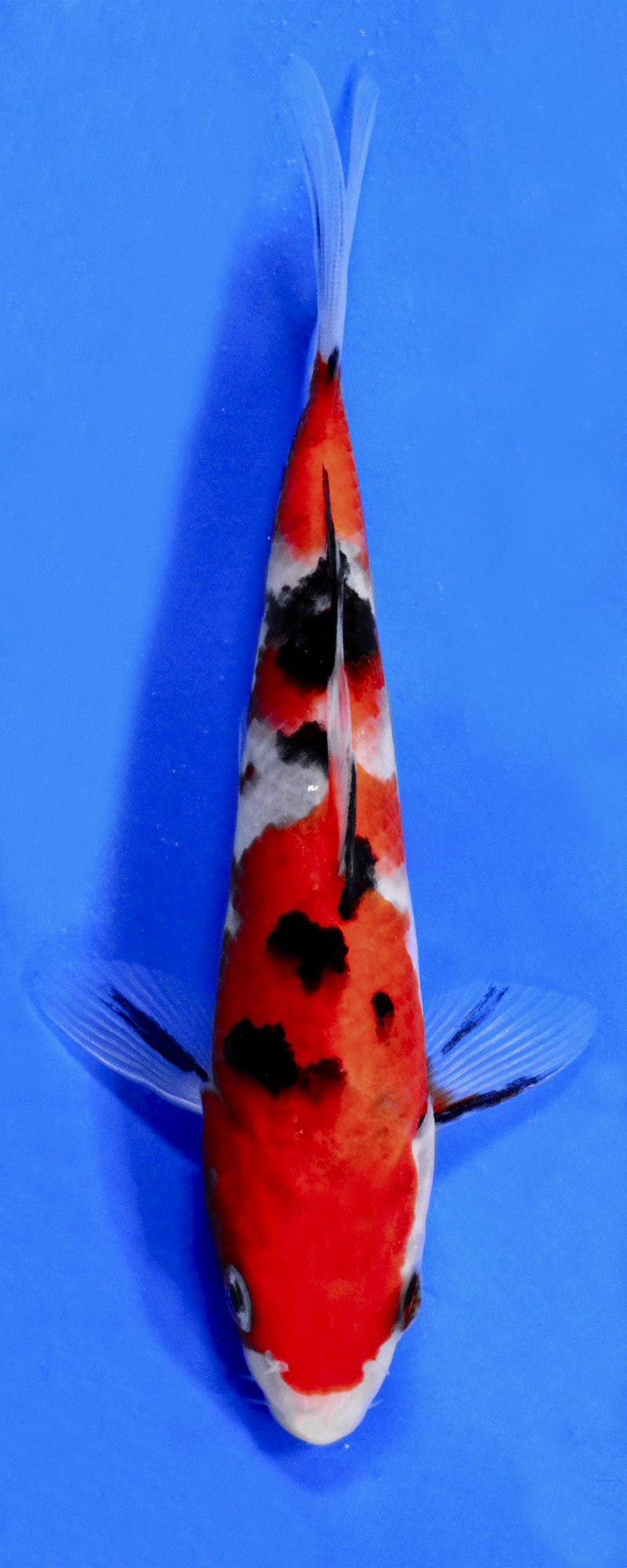
Like the Kohaku, the Sanke has a white body with red spots. In addition, the Sanke has black spots all over the body. The black may not dominate and there should certainly not be any black spots on the mouth or fins.

Showa koi
Like the Sanke, the Showa is red, white and black. However, unlike the Sanke, the black may be on the mouth and also predominate. Moreover, the black must be really black and not (too) light in color, so dark black is the standard. The Showa is one of the few Koi that can change color over the years.
Asagi koi
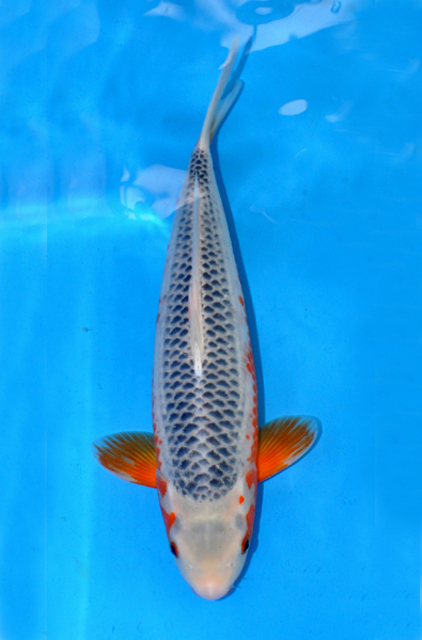
The Asagi is a koi with a light blue sheen on the top and a red sheen on the underside of the fish. The red can also be found on the pectoral fins and dorsal fin. The side of the head is also often red. For the rest, the head is pure in color and cannot have any other discolorations besides that
Utsurimono koi
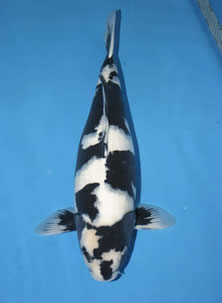
This koi has black as its base, along with large white spots. The white spots should not dominate. The fins of the Utsurimono are always
black

Goshiki koi
A Goshiki is a five-colored koi. It is a colored decorative carp for ponds with white, red, black, blue and purple. These five colors are difficult to distinguish on a koi, though.
Bekko koi
The Bekko is a white, red or yellow koi with black spots. This fish is always easy to distinguish. Below is a picture of 3 beautiful Bekko koi.


Tancho koi
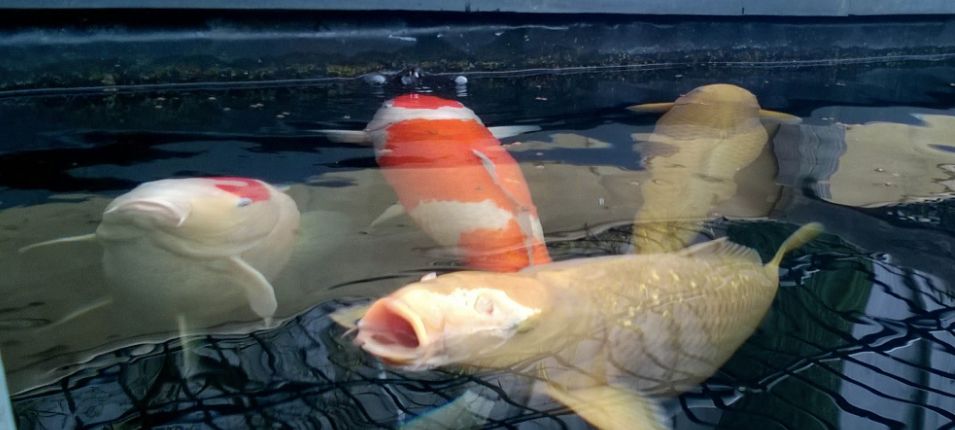
The Tancho is a highly sought after koi species. The perfect tancho must also meet standard requirements. Really good tanchos are therefore rarely if ever seen. This koi species must have a snow-white color all over the body. In addition, and this immediately typifies this koi, there must be a sheet of red round dot on the center of the Tancho’s head that is symmetrical with its head. This red dot should be of good size and thus immediately noticeable.
Hikarimono koi
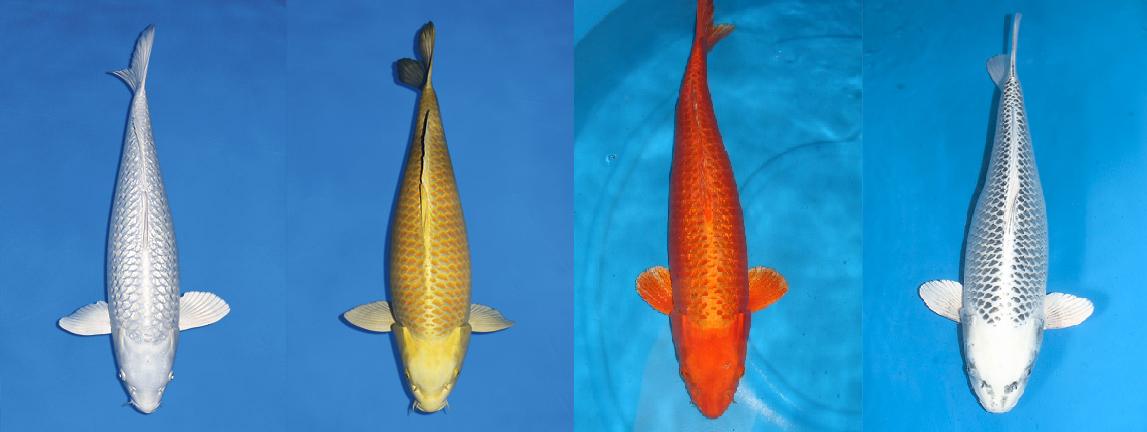
The category Hikarimono (hikari means metallic, mono means one color) includes one of the koi varieties that are very popular especially with new koi enthusiasts. The koi has a nice uniform color and a beautiful luster. Many ponds often contain a Hikarimono.
.

Then, of course, we have the ghost koi. The ghost koi combines the beauty of the koi with the robustness of the wild carp. The ghost koi is characterized by its metallic colored scales. It is a strong and fast-growing fish that can easily reach 60 centimeters in length. Because the ghost koi is relatively inexpensive to purchase, this “ghost carp” is very popular. In addition, it is also more resistant to diseases and eats relatively cheaper food than Japanese koi. These are the main reasons why the Ghost Koi was recently voted the most popular pond fish in the United Kingdom!
So much for our blog on koi. Want to know the best way to feed a koi? Then read our page on koi food. If you have any questions about Koi or other fish, of course we would love to hear them. Ask them via our Facebook page and we will try to answer them as soon as possible.