



Pond tips for winter
Our first blog is about pond tips for winter. In fact, we regularly receive questions about tips for the pond and fish in the winter months. It is very important to take care of the pond to some extent even though the fish are not active during the winter. We have listed the questions related to pond tips for winter below. Do you have other questions after reading this blog? Then ask them to us via Facebook .
Pond tip 1: Should I feed my fish in the winter? 
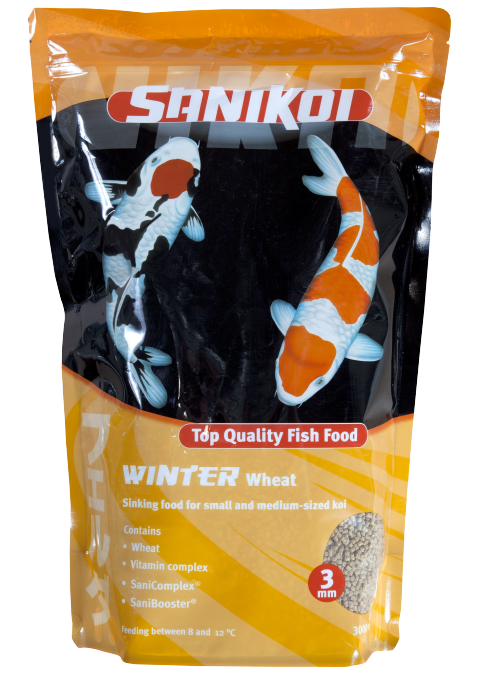
In winter, fish are very inactive and are in a kind of resting mode. Therefore, actively feeding the fish makes little sense and only causes more algae to grow in the spring due to an abundance of protein. Velda has developed special winter food for winter, both winter food for Koi and winter food for other fish species such as goldfish, goldfish and carp-like fish. If the water temperature is below 5 degrees, feed the fish no more than once a week. Velda’s winter food is sinking food because fish are often on the bottom during the winter period. This is because at the bottom it is warmer than at the surface. Do you have sturgeons in the pond? Feed them more than you feed other fish. Sturgeons keep swimming in the winter and therefore consume more energy. Sanikoi sturgeon food is a great product for this.
Also, always keep an eye on the fish in winter for separate behavior. Fish are always on the bottom in winter. If they are more on the surface, this may indicate a lack of oxygen or signs of disease. So always be alert to this.
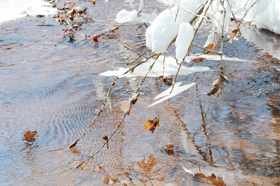
Pond tip 2: What should I do if the pond is freezing over?
Pond freezing in winter is not a problem in itself. People often think that keeping the pond open is necessary for more oxygen in the water, but the opposite is true. More importantly, it allows bad gases such as CO2 to escape. This is because excess CO2 in the water causes water to acidify, which is of course not the intention. Water that is acidified is in fact bad for fish.
There are a few simple methods to keep the pond from completely freezing over. The simplest method is to purchase an ice preventer. We at Velda have developed the Pond Heater for this purpose. The Pond Heater can be used in conjunction with the pond filters of Velda, but also as a standalone in the pond are placed. The pond heater ensures that the area around the heater does not freeze. Another method is to place an air pump including aeration stones in the pond. The aeration stones ensure that the pond water stays in motion and thus cannot freeze. An additional benefit is that excess CO2 is removed more quickly. Do not place the aeration stones deeper than approx. 20-40 cm below the water surface. At greater depths, the lower warmer water layers will be mixed with the colder upper layers, which is precisely not the intention. If you do not have the possibility of installing ice keepers or aeration stones, place some straw or reeds in the pond. If the pond does freeze over, excess CO2 can escape.
There is no need to panic if the pond freezes over completely despite your measures. The fish will not suffocate easily in that case. If the water values are fine and the pond is clean, the fish will not be affected. However, if the pond is frozen for more than a week straight, then action is called for. Never cut a hole in the pond in winter! The vibrations created can cause internal injury to the fish and they may die as a result. The best advice is to pour some lukewarm water on the ice or put a pan of hot water on the ice that slowly sinks through the ice.
Snow on the ice, is this bad?
Snow on the ice in itself is not a problem, however, it is more pleasant for the fish to get some sunlight during the winter months. Therefore remove at least half of the snow that is on the ice. However, do this carefully and without too much noise so that your fish are not stressed.
Pond tip 3: What do I do with all the technology in the winter?
One of the most common mistakes made is for people to start cleaning their filter thoroughly and then turn it off in the winter . Do not do this! This causes the useful bacteria in the filter to die. The months of building up the bacterial colony in the filter will be destroyed, so you can start all over again in the spring. In winter, keep a close eye on an above-ground filter to ensure that it does not freeze to death and also make sure that the pond pump does not freeze. It is most ideal if the pond pump is placed as deep in the water as possible so that it cannot freeze or that it is placed on dry land in a frost-free area. If you have any doubts about the pond pump or pond filter freezing, always take precaution and bring the filter and pump inside. UV lamps can be brought inside during this period anyway. These have no use in the winter, cleaning and storing them is the advice. 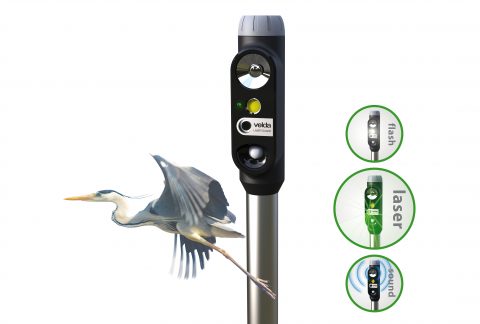
Are herons active in winter?
Herons are very active in the winter! Therefore, make sure you have a good protection against herons. The very latest laser guard from Velda is a great product and chases herons away easily. Click on the following link to watch a YouTube video of the Velda Laser Guard! Perhaps you have also in the fall already stretched a net over the pond to catch falling leaves. let it hang in the winter for extra protection.
Pond tips for winter by month
We hope that by reading this blog you know exactly what to do during the winter. Most importantly, allow the fish and yourself some rest. Enjoy a beautiful winter garden! Below are some additional tips for each month:
Here are briefly the most important tips for the pond in winter:
- Feed the fish less
- Keep part of the pond ice and snow free
- Provide good protection from herons
- Keep an eye on pond technology
Did you find this blog interesting? Then share the blog on various Social Media. You can easily do this using the social media buttons below. Do you have questions about this blog? Ask them via Facebook and we will gladly answer them!
