


Leaf removal
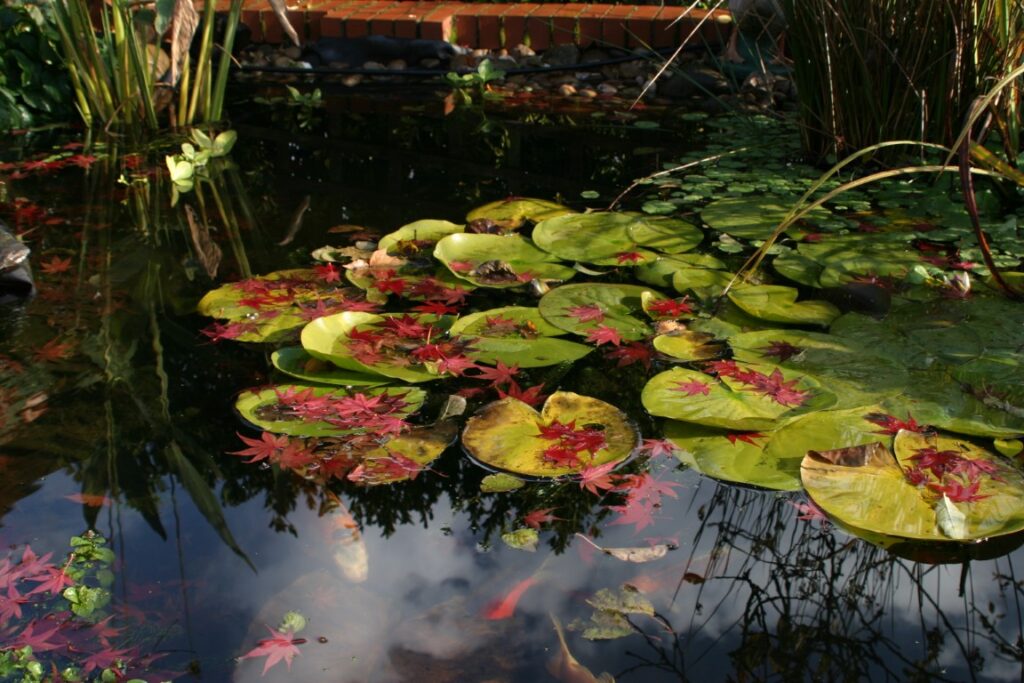
The plants in the pond have bloomed, the leaves are discolored and dying. The trees and shrubs in the garden are also dropping more and more leaves. Then it’s time to remove as many dead leaves and other organic material from the pond as possible. A scoop net with an extendable handle is useful for removing autumn leaves from a considerable distance from the pond. This prevents this debris from sinking to the bottom and forming a thick layer of silt.
Pond bottom silt is a food source for algae in the spring. Fortunately, you don’t have to go to great lengths to get rid of it. Sprinkle a dose of Bio-Oxydator into the pond to break down pond silt and prevent soil acidification. Repeating the dose 14 days later will prevent any new silt build-up.
Installing cover net
Prevent falling leaves and twigs from polluting the pond again because, the less nutrients, the less chance of algae in the spring. By stretching a cover net over the pond, you can easily keep autumn leaves out of the pond. Cover nets are available in various sizes, so there is a suitable net for every pond. Fastening pins are included.
Create a wadi
We are increasingly experiencing extremely hot summers and prolonged drought, interspersed with very heavy rain and thunderstorms. These weather conditions can be disastrous for the garden. But you can give nature a helping hand by collecting and infiltrating rainwater. With a wadi you create a swampy spot in the garden. This is good for the soil and promotes biodiversity.
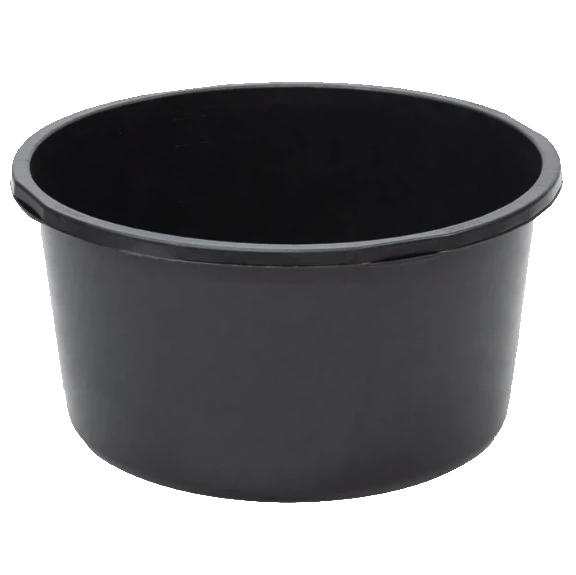
- Dig a shallow pit in a lower (wet) part of your garden.
- Cover the bottom with substrate and cover with pond gravel.
- Make it beautiful with marsh plants.