



Bank plants
Place riparian plants at the edge of the pond. Low ground-covering riparian plants camouflage the edge of the pond, while taller species provide volume and structure along the bank with their stems and flowers. They are a feast for the eyes. You can get them in different colors, shapes and sizes. The biological function for the pond environment is also mainly determined by the growth capacity of the bank plants. The more nutrients they can extract from the pond water, the better they grow. And that reduces the chance of algae growth.
Installing riparian plants
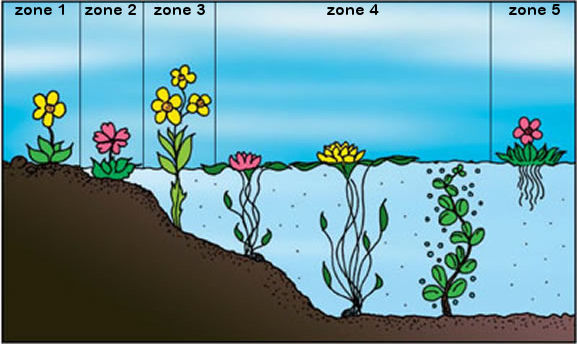
 Important when placing riparian plants is that they should be marshy, not with the foot in the water (for example, yellow dotters). In new ponds, all kinds of plants can be placed right away. Press a vincia aquaplant tab into each plant root ball underside to provide additional stimulation for root growth. The nutrient substrate in which they are planted should be as porous as possible. Nutrient-rich and oxygenated water can thus reach the roots better, stimulating growth. Use nutrient soil or growth substrate for exuberant root and plant growth and flowering. Prevent leaching by covering the soil with gravel. Add additional iron and trace elements if necessary.
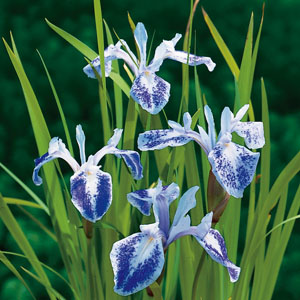
 The best-known riparian plants are Iris, the carnivorous trumpet cup plant (Sarracenia), corkscrew grass or curly citrus (Juncus effusus Spiralis) and the Arum (Zantedeschia).
Vary with differences in color, height and leaf shape. Or do you want a sleek pond by using many of the same species. There are possibilities galore.
Shoreline plants add a personal touch to natural pond edges! You buy them at garden centers and pet and pond specialty stores.
